Off-Piste With a French-Qualified Guide
Freeride terrain in the 3 Valleys isn't marked or patrolled the way groomed runs are, which is where many international visitors get caught out skiing off-piste alone or with an unqualified guide. I hold the French State ski instructor diploma, which covers avalanche terrain assessment as part of the training — not an add-on certificate bolted onto a standard ski lesson qualification.
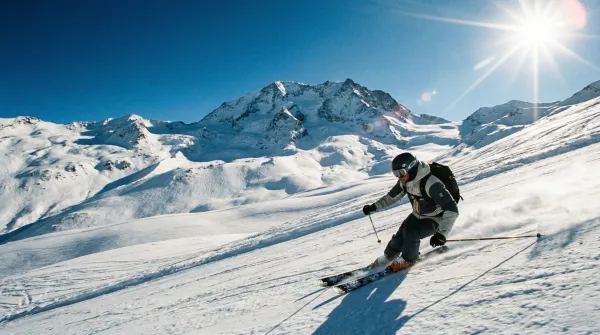
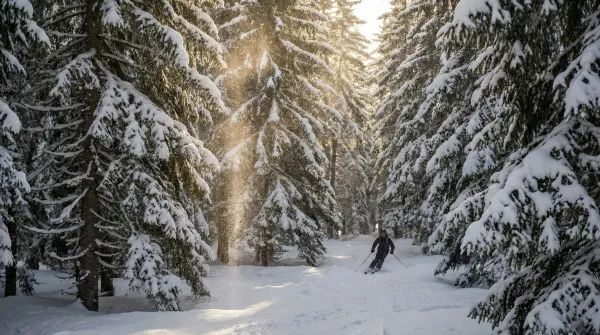
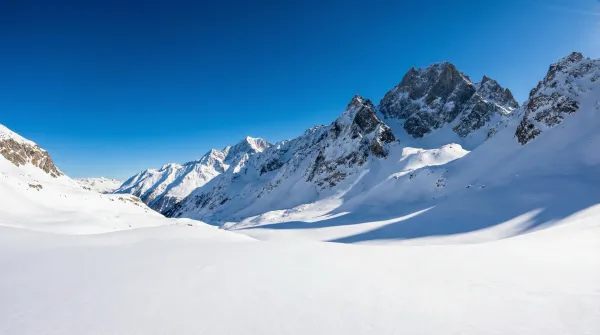
From the hidden couloirs above Courchevel to the open bowls around Val Thorens, I choose the line based on that day's avalanche bulletin and snowpack, then coach your line choice, balance and rhythm in deep snow as we go.
What a Safety Briefing Actually Covers
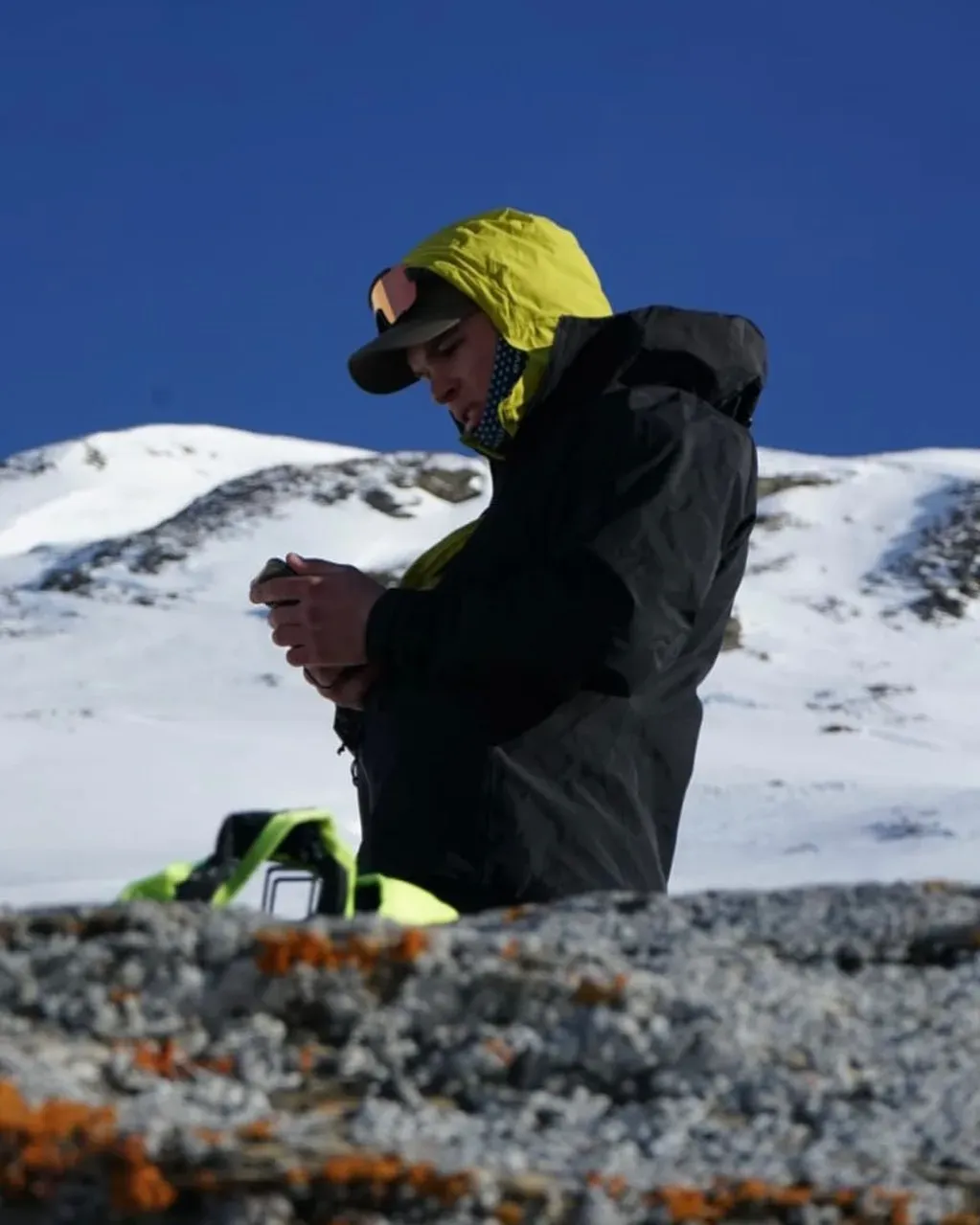
Before we leave the piste, I run through your transceiver, shovel and probe, confirm you know how to use them under pressure — not just carry them — and walk through that morning's avalanche bulletin so you understand the reasoning behind the route, not just the route itself.
Insurance and Equipment: What Catches International Guests Out
Standard travel insurance from the UK, US or Australia frequently excludes off-piste skiing outright, or only covers it "within resort boundaries" — a distinction that matters the moment we duck under a rope. Before booking, check your policy specifically covers off-piste and mountain rescue (a Carré Neige-type add-on, or a dedicated mountain policy); it's worth the five-minute call to your insurer, since helicopter evacuation in the 3 Valleys is not cheap without it. On the equipment side, I provide the avalanche safety pack (transceiver, shovel, probe) as standard, so you don't need to source or pack specialist gear yourself.
What a GHIC Card Does Not Cover
Since Brexit, UK visitors carry the GHIC in place of the old EHIC, and it does a narrower job than most people assume. It entitles you to state-provided medical treatment on the same terms as a French resident — which is useful once you are in a hospital, and irrelevant to the part that costs money on a mountain. Rescue from the ski area is billed by the local authority, off-piste recovery and helicopter evacuation are billed at a different rate again, and repatriation to the UK is not covered at all.
Two things close that gap. A rescue policy such as Carré Neige, sold alongside the 3 Valleys lift pass for a few euros a day, covers the search-and-rescue and transport side. Your travel insurance then has to cover the rest — and this is where off-piste clauses matter, because a policy that covers "winter sports" may still exclude skiing outside marked runs, or cover it only when accompanied by a qualified professional. That last wording is common, and worth reading closely before you assume you're either covered or not.
Fitting an Off-Piste Day Into a One-Week Trip
A UK ski week gives you six skiable days, and the temptation is to pin the off-piste day to a fixed date — usually the Wednesday — months before anyone knows what the snow will be doing. That decision is what turns a good week into a mediocre off-piste day.
What I do instead is keep it floating. We agree at the start of the week that one day is the freeride day, then I watch the bulletin and the refresh and call it the evening before, twenty-four hours out. In midwinter that usually means chasing north-facing aspects that keep cold snow longest after a fall; in March and April it means reading the overnight freeze and going early onto east-facing slopes for spring corn, which is a narrow window and completely gone by lunchtime. Either way the day is chosen by the mountain, not by the calendar — and if the week never gives us a safe window, I'll tell you that and we ski something else rather than forcing it.