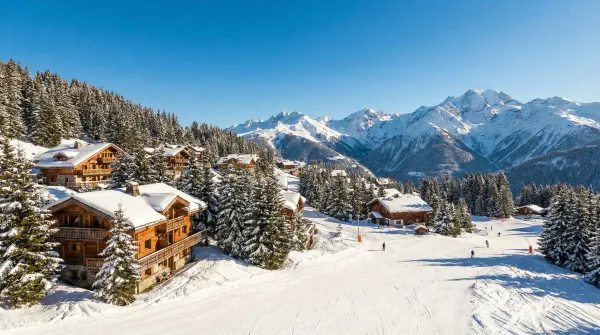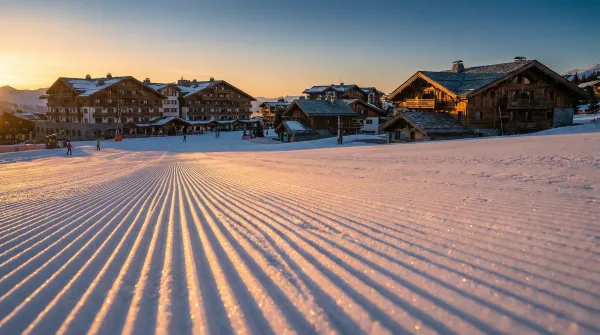
A Working Savoyard Village, Not a Resort Built for Tourism
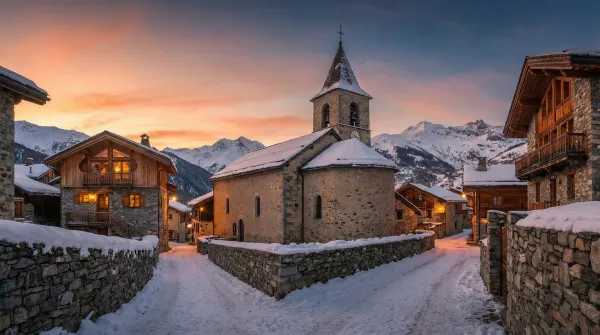
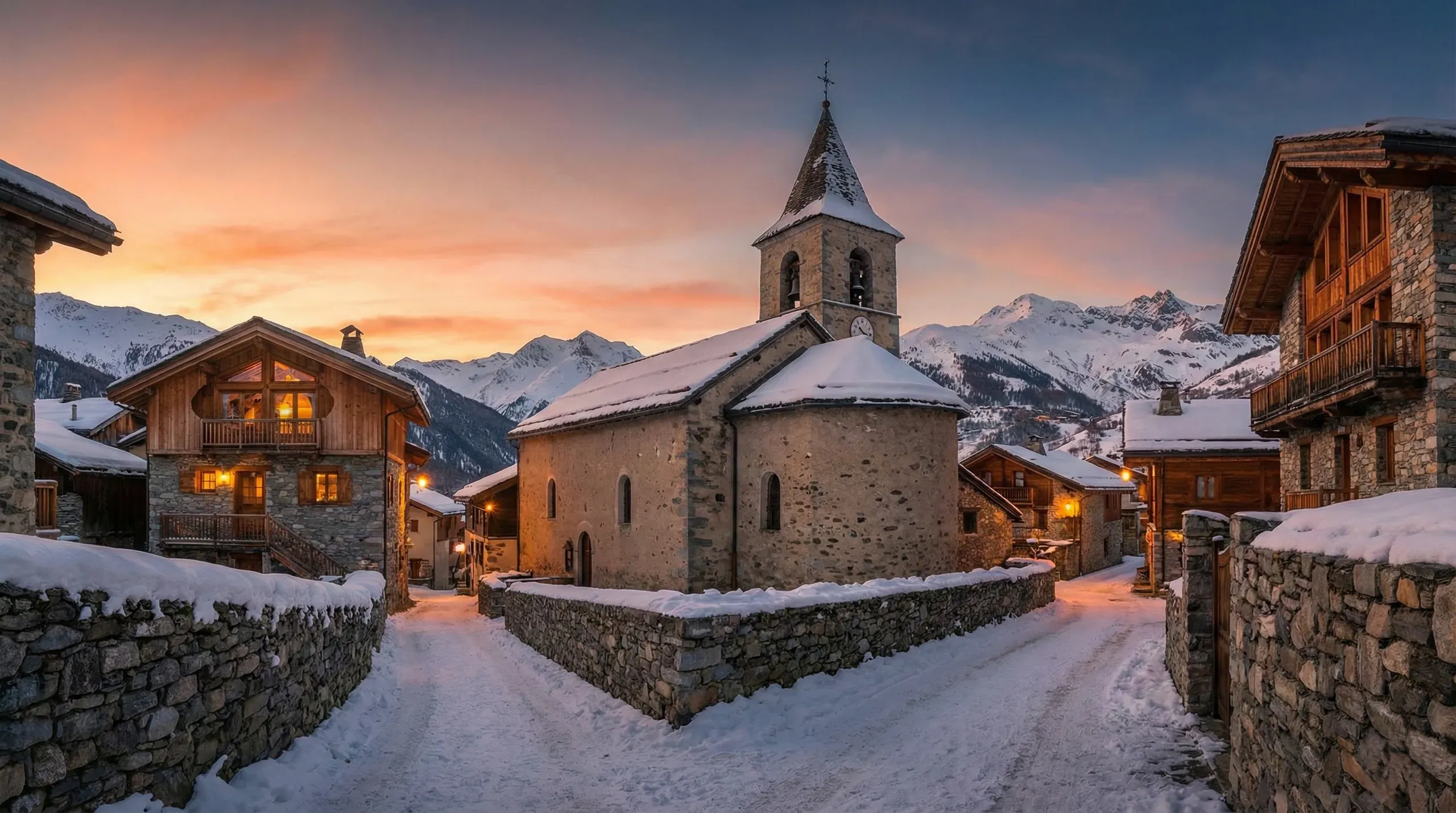
Most English-speaking visitors to the 3 Valleys stay in purpose-built resorts like Courchevel 1850 or Val Thorens. St Martin de Belleville is different: a real farming village that predates the ski lifts, with the same direct access to the world's largest linked ski area.
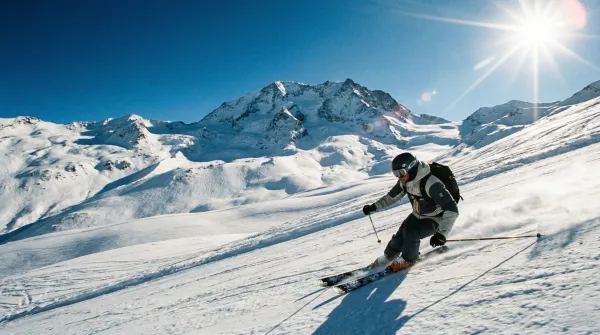
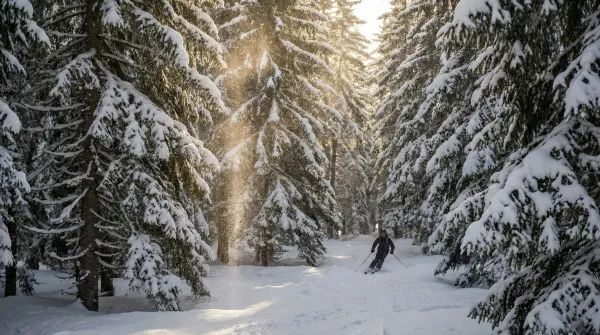
From the village lift we reach the ridges within minutes to connect to Meribel or Les Menuires, and I always build in the long, scenic run back down to St Martin at the end of the day rather than cutting the last descent short.
Booking a Table, Not Just a Lesson
One thing international guests often don't realise: the best mountain restaurants around St Martin fill up weeks in advance in peak season, and menus and booking lines are in French. I handle the reservation for you as part of the day, so a gourmet stop is one less thing to plan from home.
What Most Visitors Miss
The final run back into St Martin drops over 1,500 vertical metres and is one of the longest continuous descents in the 3 Valleys — yet it barely features in English-language guides to the area, because most day-trippers leave from a different village.
For food: I book lunch at La Bouitte (3 Michelin stars) or La Voûte for a proper Savoyard meal — worth requesting when you enquire, since peak-season tables go fast.
The Shortest Transfer in the Belleville Valley
St Martin is the first village you reach as you climb out of Moûtiers, the valley rail terminus every road transfer passes through. Allow roughly twenty-five minutes for that last leg — against about thirty-five to Les Menuires and three-quarters of an hour to Val Thorens at the top of the same road. From Geneva, that puts the whole door-to-door journey at around two and a half hours outside peak Saturday traffic.
It sounds like a detail until you're at either end of the week. On arrival day it's the difference between reaching your chalet with daylight left and reaching it after dark; on departure day it means an early flight out of Geneva doesn't require leaving at an hour nobody enjoys. Guests travelling with young children or booking a short break rather than a full week tend to feel that gap most.
The Altitude Trade-Off, Said Plainly
The other side of sitting low in the valley is snow at village level. St Martin's base is around 1,450 m, which through the core of the season gives you something rare — a descent of over 1,500 vertical metres finishing at your own front door — but by late season that bottom section is the first to go. In April it's normal, not a failure, to take the gondola down for the last few hundred metres, and anyone telling you otherwise is selling you the brochure.
So the honest advice depends on when you're coming. For February and March, St Martin gives you the long run home that neither Courchevel nor Val Thorens can match from their own village. For a late-April week where snow reliability is the whole point, base yourself higher and come here for the day instead — I'm happy to build it that way round.
How St Martin Compares to Meribel and Courchevel
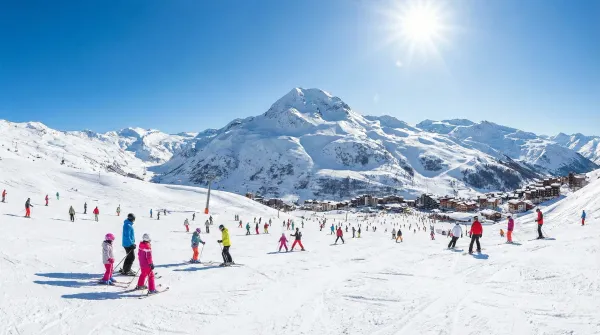
St Martin won't suit everyone — there's less nightlife and fewer boutiques than Courchevel or Meribel, and one or two lifts close slightly earlier. What you get in exchange is a short walk to genuine bakeries and a wine bar instead of a resort mall, and ski-in/ski-out access that's just as direct as either of the bigger names. I usually recommend it to guests who've already done a "big resort" trip and want the same terrain without the crowds at breakfast.